 Australia and Japan:
The Power of People-to-People Connections


The Basic Treaty of Friendship and Cooperation between Australia and Japan, signed in 1976, codified mutual trust and set a shared direction. Today, Australia and Japan are closer and more strategically aligned than the Treaty originally envisaged half a century ago. At the heart of the Australia-Japan relationship are people. People-to-people bonds have created trust and understanding that treaties alone cannot achieve. This content is based on the special exhibition held at the Diplomatic Archives Exhibition Room of the Ministry of Foreign Affairs of Japan from 17 June to 1 August 2026.
Basic Treaty of Friendship and Co-operation between Australia and Japan
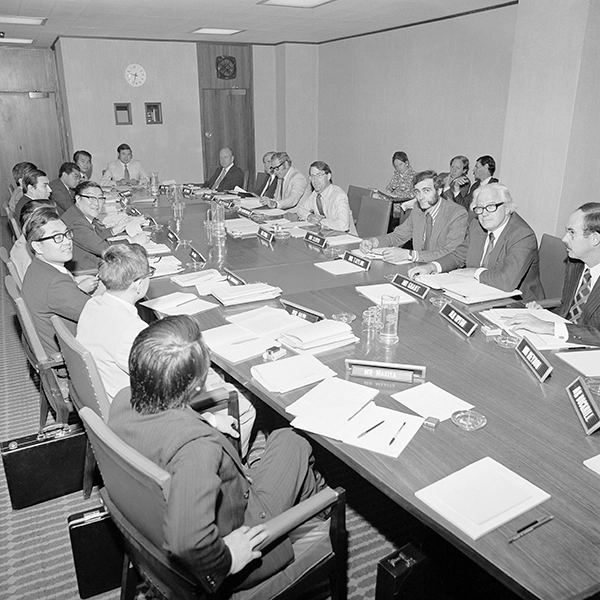
Image courtesy of National Archives of Australia, NAA: A6180, 3/2/75/57.
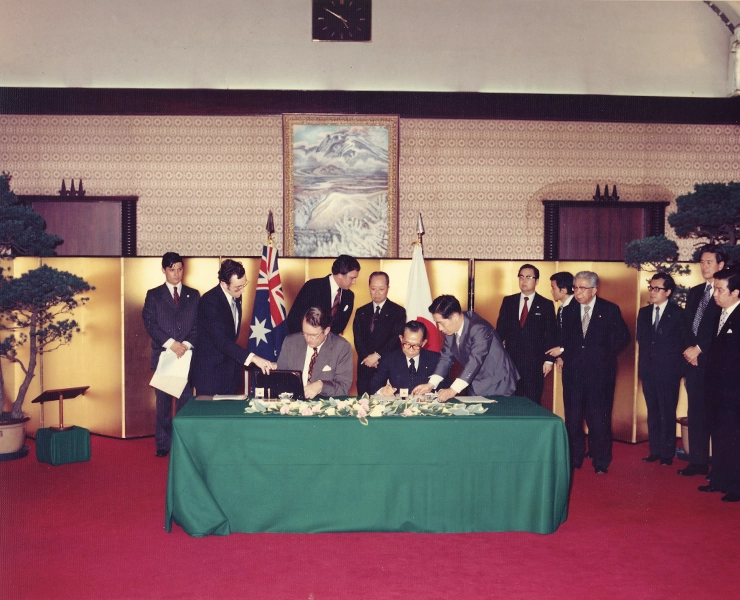
Image courtesy of National Archives of Australia, NAA: A13302,1.
A historic turning point
The Basic Treaty of Friendship and Cooperation, signed on 16 June 1976 in Tokyo, marked a historic turning point in the bilateral relationship between Australia and Japan. It was signed by Australian Prime Minister Malcolm Fraser and Japanese Prime Minister Takeo Miki and came into force on 21 August 1977.
This treaty was the first formal agreement between the two nations, reflecting a mutual desire to strengthen ties in the wake of increasing economic interdependence and shared regional interests. It established a comprehensive framework for bilateral ties beyond trade, including economic, political, scientific, social, and cultural cooperation and laid the foundation for a long-term partnership based on peace, mutual respect, and cooperation.
Historical Context
The treaty was signed during a period of rapid economic growth in Japan and increasing trade between the two countries, particularly in natural resources such as coal, iron ore, and liquefied natural gas. Australia saw Japan not only as a key economic partner but also as a strategic partner for regional stability.
Legacy and Impact
Over the decades, the treaty has served as a cornerstone of Australia-Japan relations. It has facilitated:
- Regular high-level dialogues and ministerial meetings
- Strong people-to-people links through education, tourism, and cultural exchange
- Enhanced security cooperation, especially in maritime and regional defence
- Joint efforts in addressing global challenges such as climate change, disaster relief, and development aid
The treaty remains a symbol of the enduring friendship between Australia and Japan and continues to guide our collaboration and cooperation.
 Image courtesy of National Archives of Australia, NAA: A6135, K18/11/77/2.
“This Treaty is a recognition of the high respect we have for Japan and of the confidence we place in Japan for the future. The signing of this Basic Treaty of Friendship and Co-operation marks the deepening relationship between Australia and Japan… This Treaty provides a firm basis for its future growth.
SPEECH GIVEN BY PRIME MINISTER FRASER
BASIC TREATY SIGNING CEREMONY 17 JUNE 1976
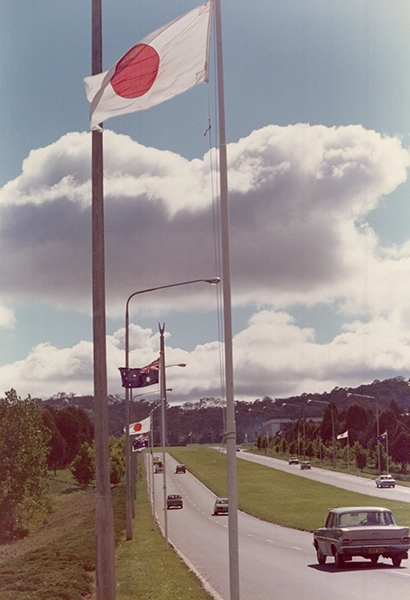
Image courtesy of National Archives of Australia, NAA: A6135, K18/11/77/2.The Australia-Japan relationship today
A special strategic partnership
The Australia-Japan relationship is built on the shared values of democracy, human rights, free trade, and a rules-based international order. This partnership is vital to both nations’ strategic and economic interests.
Their bilateral ties date back to the late 1800s, when Japan began importing Australian coal and wool, and Japanese immigrants contributed to Australia’s agricultural and maritime industries.
After the disruptions caused by World War II, diplomatic relations were re-established in 1952. The 1957 Commerce Agreement marked the beginning of a strong post-war trading partnership and the 1976 Basic Treaty of Friendship and Cooperation further deepened ties, fostering investment and people-to-people connections.
High-level visits have played a key role in strengthening the relationship. Since 2014, annual reciprocal leaders’ visits have been part of the Special Strategic Partnership. Regular ministerial dialogues, including 2+2 consultations between Foreign and Defence Ministers and economic discussions between Trade Ministers, strengthens cooperation.
Today, the Australia-Japan relationship is multifaceted, encompassing robust trade and investment, strong defence and security collaboration, and deep cultural ties. The Special Strategic Partnership reflects the unique depth of this connection.
Both countries share strategic interests, including alliances with the United States and a commitment to a peaceful, stable and prosperous Indo-Pacific. Our economies are complementary and rely on open trade and resilient supply chains.
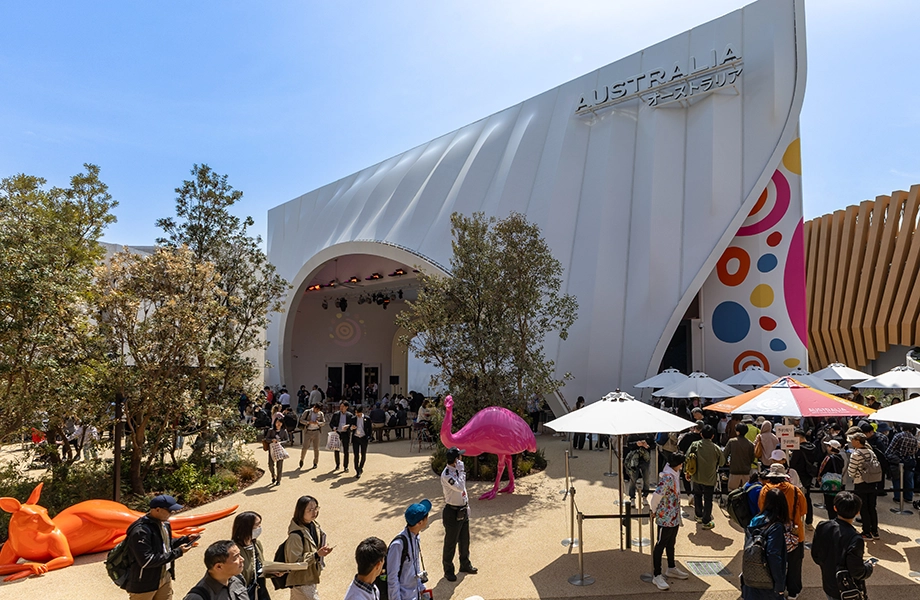
Most recently, Australia’s participation in World Expo 2025 in Osaka showcased its innovation, culture, and business strengths, further enhancing ties with Japan and promoting a modern, diverse image to a global audience.
Fostering Understanding for 50 Years
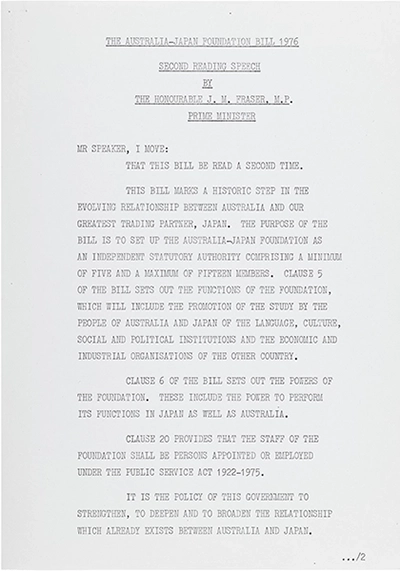
Image courtesy of National Archives of Australia, NAA: M1276,128.
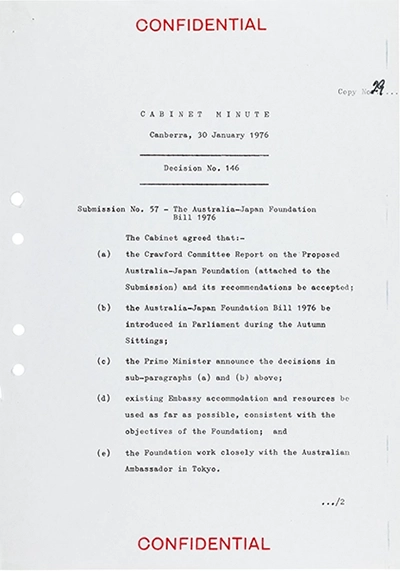
Image courtesy of National Archives of Australia, NAA: A12909,57.
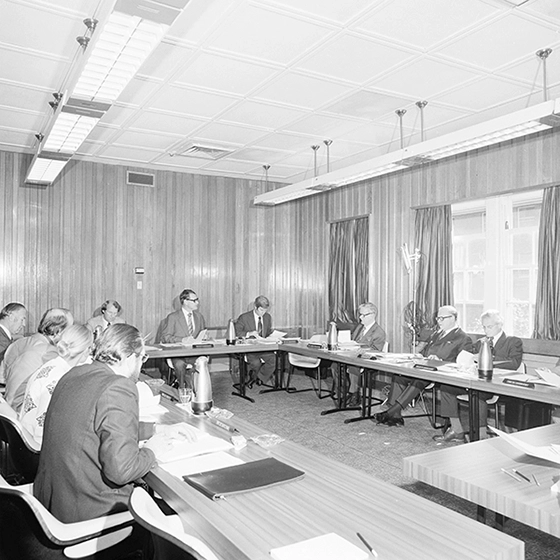
Image courtesy of National Archives of Australia, NAA: A6180, 11/11/76/4.
The Australia-Japan Foundation
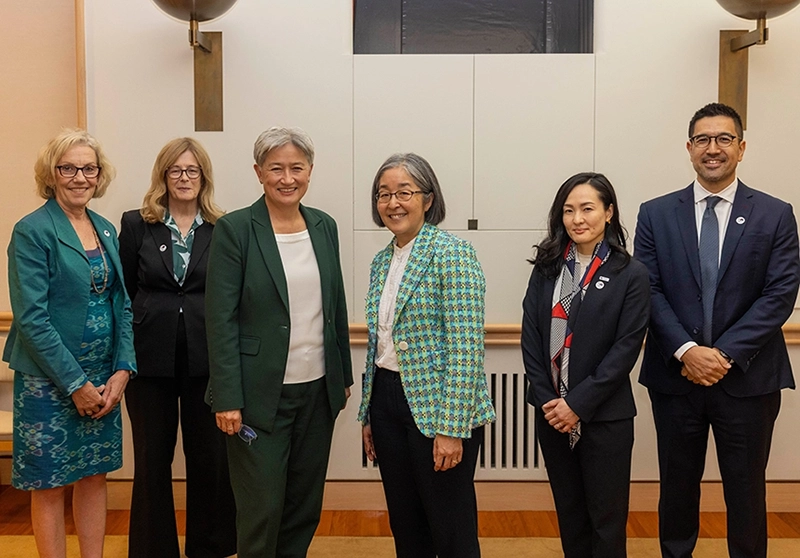
The Australia-Japan Foundation (AJF) is Australia’s oldest bilateral cultural foundation, established in 1976, the same year the Basic Treaty of Friendship and Co-operation between Australia and Japan was signed. Initially set up as a non-governmental, independent body funded by the Australian Government, its mission was to foster greater mutual awareness and understanding of each other’s nation and build a foundation of people-to-people links for the bilateral relationship.
The Foundation opened a Tokyo office in 1980 and relocated to the Australian Embassy in 1990. The AJF is now part of the Department of Foreign Affairs and Trade (DFAT).
Since its inception, the AJF has fostered meaningful exchange across business, academic, cultural, and scientific fields. It has also invested in future generations by funding scholarships that enable Japanese students to undertake research in Australia—many of whom have gone on to become leading scholars in Australian studies. At the same time, the AJF has strengthened Australia’s engagement with Japan, particularly through its support for Japanese language education, helping cultivate a new generation of Japan specialists and language experts.
The Foundation runs an annual grants program that supports a wide range of activities in both Australia and Japan. Its grantees and alumni exemplify the depth of people-to-people connections between the two countries, while also helping to shape new opportunities for future collaboration and growth.
Natsuko Ogawa, Australia-Japan Foundation Chair


“Let’s celebrate the treasured friendships formed between the people of Australia and Japan with the support of the Australia-Japan Foundation over 50 years, and inspire future generations towards a deeper understanding and co-operation.”
From Wheat to Washoku
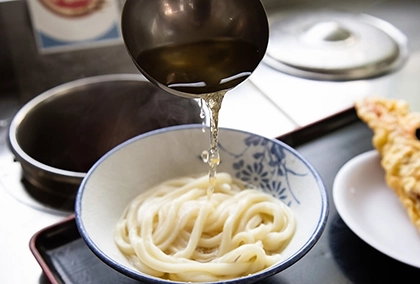
Image courtesy of Kagawa Prefecture Tourism Association

Image courtesy of CBH Group
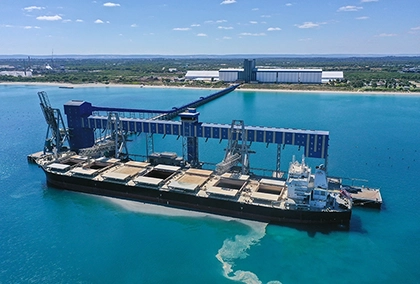
Image courtesy of CBH Group

Image courtesy of the Meat and Livestock Australia

Image courtesy of the Meat and Livestock Australia
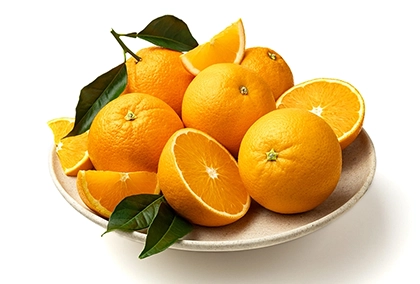
Image courtesy of Citrus Australia
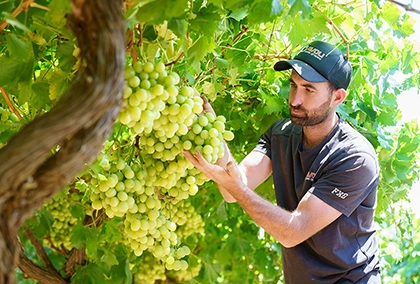
Image courtesy of the Australian Table Grape Association
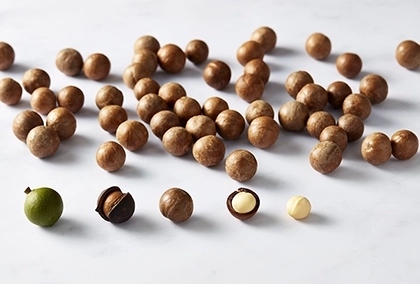
Image courtesy of the Australian Macadamia Society
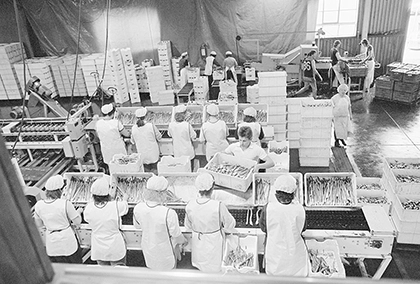
Image courtesy of the NAA: A6180, 20/11/86/11.
Australia’s Role in Japan’s Food Culture
Food has long been one of the most delicious bridges between Australia and Japan. From the aroma of Melbourne style coffee drifting through the laneways of Osaka, to South Australian seafood appearing in high end sushi kitchens, to Australian beef in family restaurant gyūdon bowls, culinary exchange is woven into everyday life. These ingredients—and the stories behind them—show how closely connected the two nations are, not only through trade but through taste, creativity, and shared appreciation for quality produce.
Udon Noodles: Australia-Japan Connections in Everyday Meals
Sanuki udon, celebrated for its firmness and signature chewy texture, has become a beloved dish across Japan. What many diners may not realise is that its key ingredient—wheat—has strong Australian roots.
Following the signing of the Japan-Australia Commerce Agreement in 1957, imports of Australian wheat increased significantly. Around 50 years ago, millers and noodle producers in Kagawa Prefecture began using Australian Standard White (ASW), a wheat variety whose balanced gluten strength and starch composition proved ideal for creating high quality udon noodles.
Australian growers and exporters refined ASW over time, tailoring it to meet the precise requirements of Japanese consumers and noodle makers. Today, ASW is the primary wheat used in Sanuki udon, supporting the production of one of Japan’s most iconic comfort foods.
A Broader Culinary Partnership
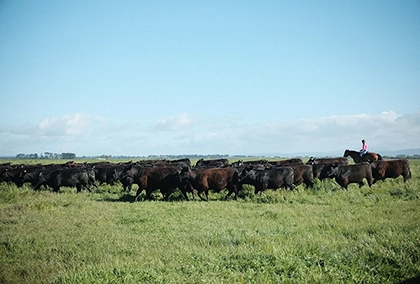
Beyond wheat, Japan’s dining tables are enriched by a wide variety of Australian produce, including oranges, grapes, avocados, and macadamia nuts. Among these, Australian beef has become particularly iconic. Commercial exports of Australian beef to Japan began in 1953, and since then Japanese consumers have grown familiar with it in everyday life—from home cooking and school lunches to restaurants and hotels. To meet Japan’s preference for moderately marbled beef, Australian producers later developed grain fed varieties, raising cattle on a mix of grass and grain to achieve the flavour and texture Japanese customers enjoy.
These ingredients reflect a trusted and growing food partnership grounded in quality, safety, and collaboration between Australian producers and Japanese consumers. Food continues to serve as one of the most meaningful connectors between Australia and Japan—bringing communities together, nurturing friendship, and reminding us that shared meals often create the strongest connections.
Mr Ryoichi Yoshihara, Representative Director and CEO, Yoshihara Shokuryo Ltd.
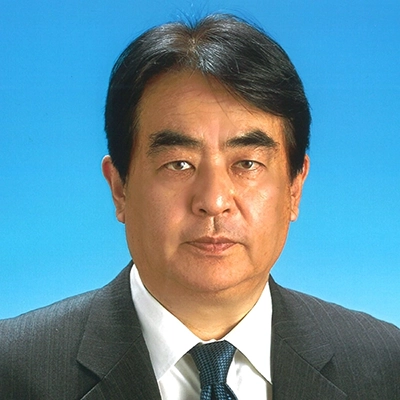
The Australian Standard White (ASW) possesses textual characteristics that are particularly well suited for udon, a traditional Japanese food. ASW contains glutenous protein that is moderately elastic and starch that provides chewiness and smoothness. Since the 1970s, imports of ASW into Japan have increased rapidly, and since then it has become the main ingredient for the famous Sanuki udon, and for udon made across the country.
POW
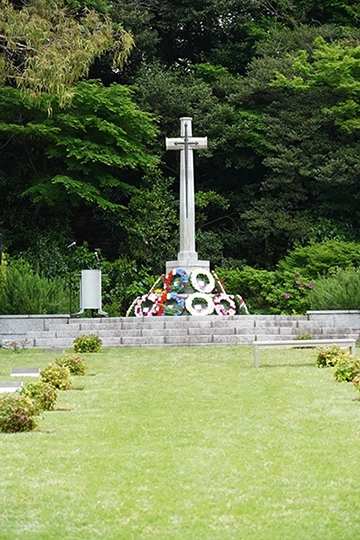
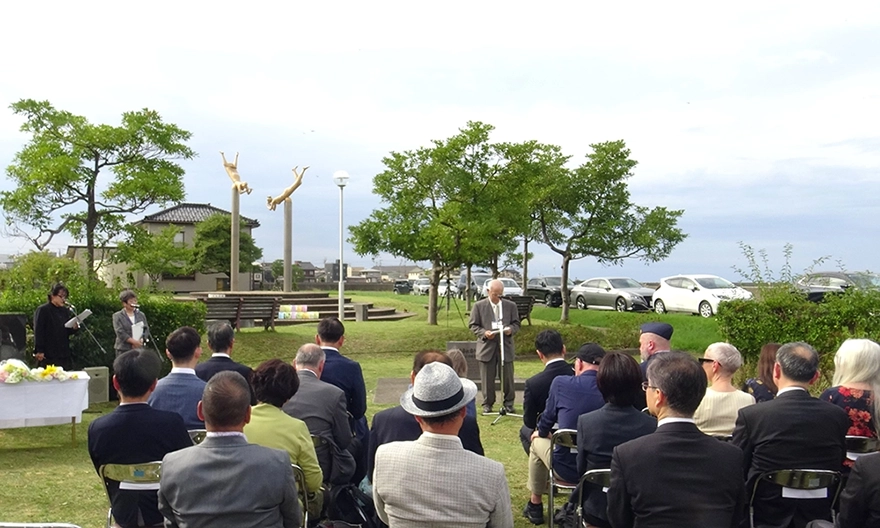
Photo Courtesy of the Japan-Australia Society of Joetsu
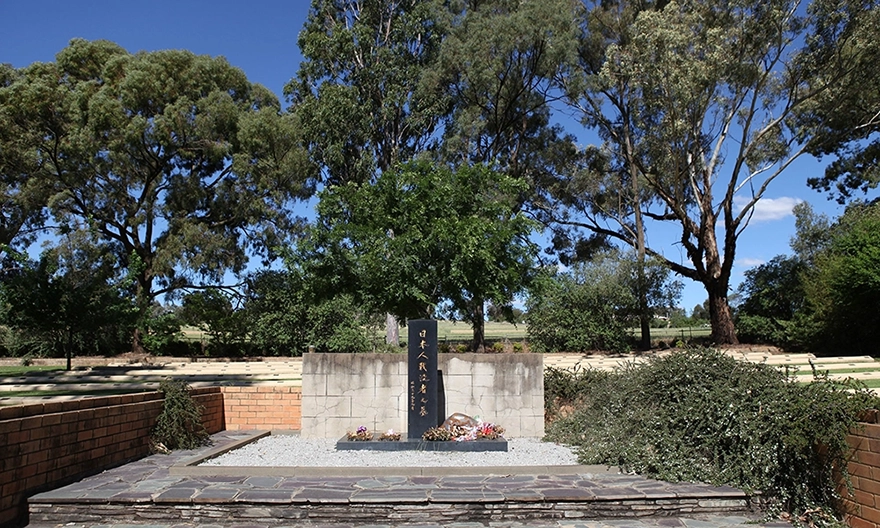
History and Reconciliation in Australia and Japan
During the Second World War, a number of Australian servicemen were held in prisoner-of-war (POW) camps across Japan. Many had been captured on overseas battlefields and transported to Japan, where they were assigned to labour in munitions factories and other wartime industries. Harsh conditions—including strict discipline, inadequate nutrition, severe winter weather, and the risks associated with air raids—resulted in the deaths of 192 Australian POWs in Japan by the end of the war. These individuals are commemorated at the Commonwealth War Cemetery in Hodogaya, Yokohama, where they rest alongside Allied POWs who perished elsewhere in Asia or who died while serving in Japan as part of the postwar Occupation Forces. Each year, on 25 April, officials from the Australian and New Zealand Embassies hold a solemn ANZAC Day service at the Cemetery to honour their memory.
One of the POW camps was located in Naoetsu—now part of Joetsu City, Niigata Prefecture—where approximately 300 Australian POWs were held, and around 60 lost their lives. Following the war, eight members of the camp’s staff were tried and convicted of war crimes for their treatment of prisoners. Today, the Japan–Australia Society of Joetsu plays a leading role in fostering reconciliation. Through engagement with former Australian POWs and their families, educational initiatives, and community based memorial activities, the Society works to preserve this shared history and promote peace for future generations.
Reconciliation efforts have also flourished in Cowra, New South Wales, the site of a wartime Japanese POW camp. In the early hours of 5 August 1944, 378 Japanese prisoners attempted a mass escape—an event now known as the Cowra Breakout—resulting in the deaths of 234 Japanese prisoners and four Australian soldiers. In the decades following the war, local veterans in Cowra took it upon themselves to tend the Japanese cemetery, demonstrating compassion and a commitment to healing. Their efforts helped lay the foundation for the Japanese War Cemetery, a student exchange program, and the establishment of the renowned Cowra Japanese Garden and Cultural Centre.
Inspired by the shared dedication to peace found in both Cowra and Joetsu, the two cities signed a Peace and Friendship Exchange Memorandum in 2003. Today, citizens participate annually in the Cowra Breakout Commemoration Ceremony, and continued exchanges—including those between municipal officials and junior high school students—strengthen mutual understanding and help ensure that the lessons of history are passed on with dignity and respect.
Mr Masaru Seki, Chair, the Japan-Australia Society of Joetsu
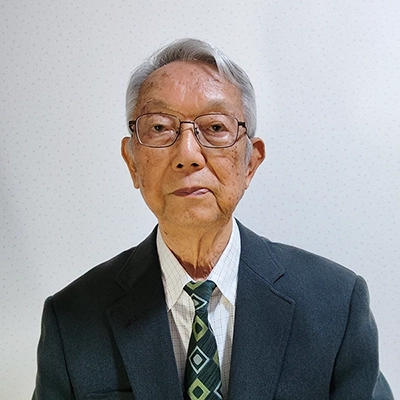
Thirty years have passed since the Peace Memorial Park was established on the former site of the Naoetsu Prisoner-of-War Camp, and on 18 October 2025, we welcomed 13 bereaved family members and related guests from Japan and Australia. A commemorative ceremony, a lecture, and a celebration were held to offer prayers for repose and everlasting peace.
From Crisis to Connection
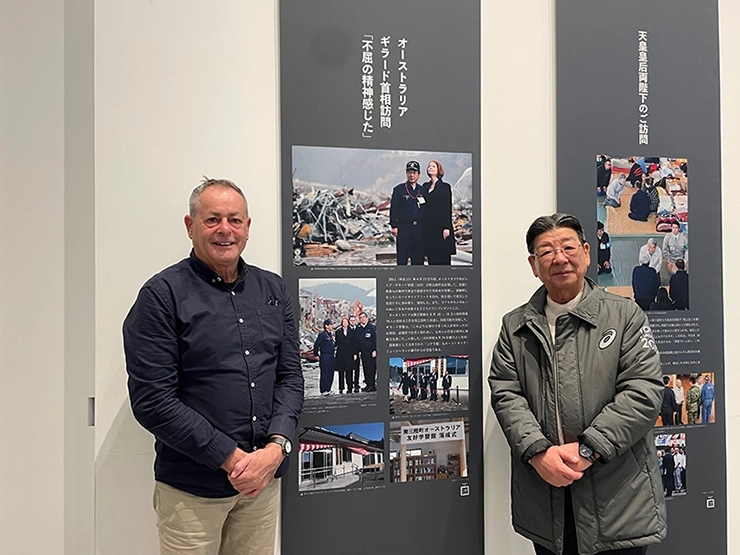
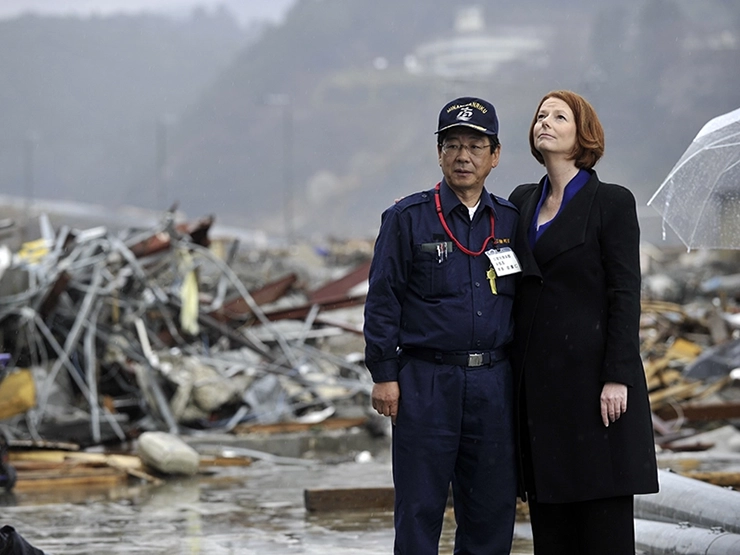
Credit: Auspic – David Foote
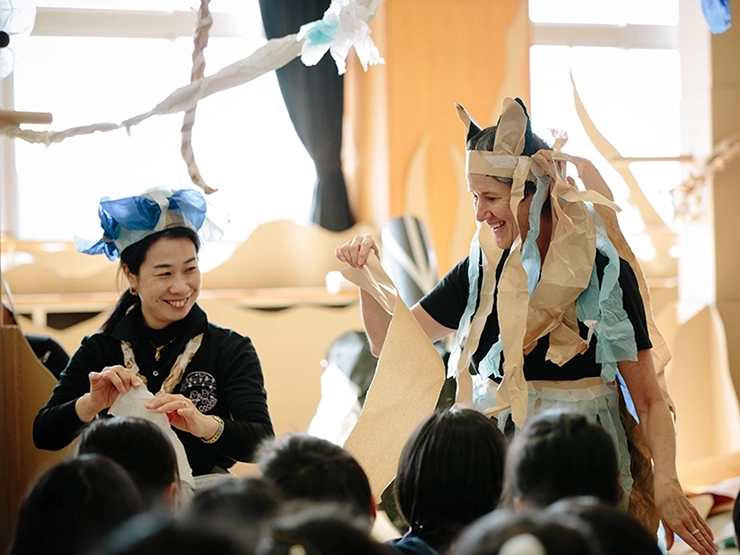
Image courtesy of Polyglot Theatre, © Ai Ueda
Australia’s Enduring Support for Tohoku
In the wake of the Great East Japan Earthquake and Tsunami on 11 March 2011, Australia responded swiftly and compassionately. The Australian Government deployed a 76-member Urban Search and Rescue team to Japan on the following day, where the team was sent to assist in Minami Sanriku, Miyagi. The Australian Government donated AUD$10 million to the Red Cross appeal and the Royal Australian Air Force’s C-17 aircraft delivered over 500 tonnes of essential supplies and transported Japanese personnel and vehicles to support relief operations. Then Prime Minister Julia Gillard became the first foreign leader to visit the affected area, visiting Minami Sanriku just one month after the disaster, symbolising Australia’s solidarity with Japan during its time of need.
11 March 2026 marked fifteen years since the disaster that struck the Tohoku region. Over the past decade and a half, Australia has remained a steadfast partner in Tohoku’s recovery. Through the Australia-Japan Foundation (AJF), more than AUD$1 million in grants have supported community-led projects such as mobile libraries, playgrounds for displaced children in Fukushima, student exchange programs that connect young people from Minami Sanriku with Australian schools, and interactive performing arts workshops for children. Annual visits by Australian jazz musicians conducting school workshops and community performances in Iwate have continued for more than a decade. These initiatives reflect a broader commitment to people-to-people ties, cultural exchange, and long-term resilience in the region.
Mr Rob McNeil, former Assistant Commissioner, Fire & Rescue NSW, Leader of the 76 Urban Search and Rescue team for March 2011

“During the 3/11 Tsunami Japan and Australia came together with professionalism, empathy, friendship and trust, during the worst of times strengthening an everlasting bond.”
The Australian Studies Association of Japan (ASAJ)
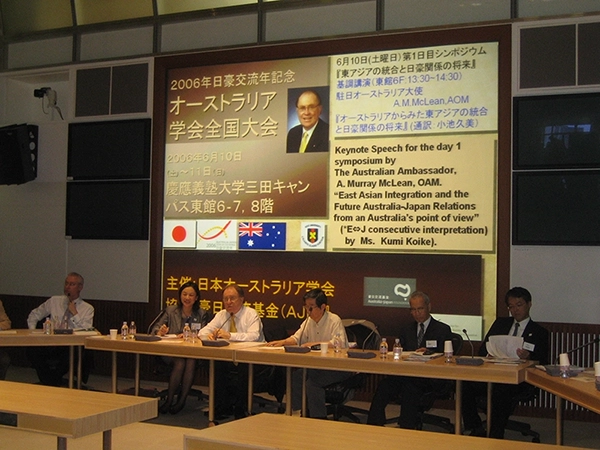
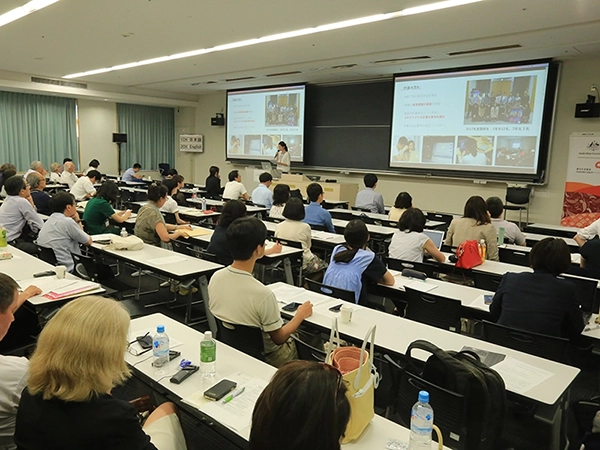
Credit: Auspic – David Foote
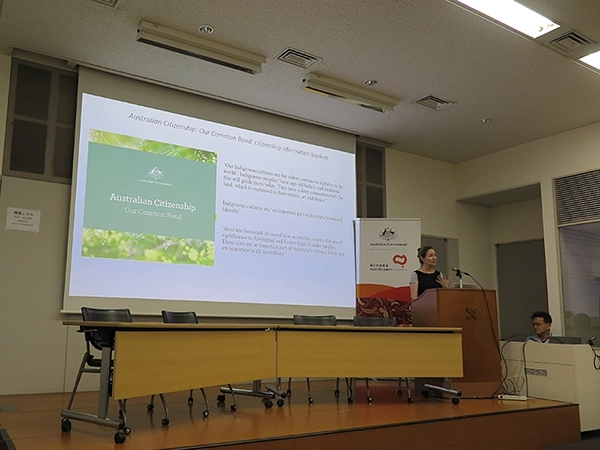
Image courtesy of Polyglot Theatre, © Ai Ueda
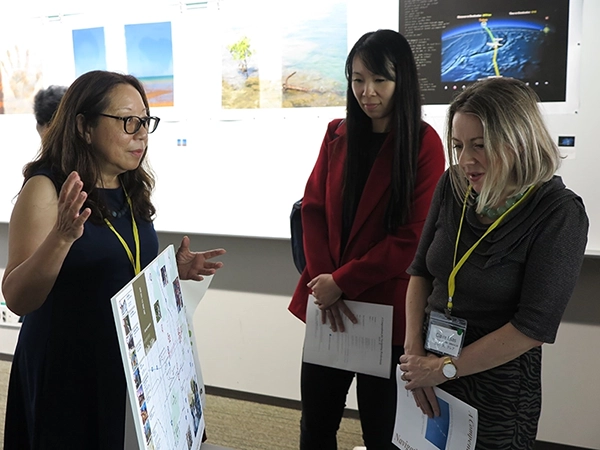
Image courtesy of Polyglot Theatre, © Ai Ueda
Broadening Knowledge, Bridging Disciplines – A Future Woven by Expertise
The Australian Studies Association of Japan (ASAJ), founded in 1989, promotes collaboration among scholars engaged in education, research, and related fields, while advancing interdisciplinary studies on Australia. Its members represent a broad spectrum of disciplines, including politics, economics, sociology, education, culture, diplomacy, geography, the arts, and literature.
ASAJ supports academic excellence through the publication of its annual journal, Australia Studies (Ōsutoraria Kenkyū). The Association also convenes a two day annual conference—typically held in June—featuring a diverse program of symposiums, sessions, and workshops. In addition, regional study groups in Osaka and Tokyo foster information exchange and interdisciplinary engagement among members, with participation open to non members as well. As of June 2025, ASAJ has approximately 160 members.
With support from the Australian Embassy in Japan and the Australia-Japan Foundation, the association held the 36th Annual Conference in 2025 at Keio University’s Hiyoshi Campus, showcased a wide range of research, including presentations by invited scholars from Australia. This year, the 37th Annual Conference will take place at the University of Shizuoka’s Kusanagi Campus, focusing on diversity and multicultural societies. Looking ahead, the Japanese Studies Association of Australia will co host the ASAJ Annual Conference in July 2027, marking a new collaborative chapter in academic engagement between Australia and Japan.
Professor Jun Tsutsumi, University of Tsukuba

The ASAJ is a community of specialists who possess deep knowledge of, and a strong passion for, Australia.’
First Nations exchange
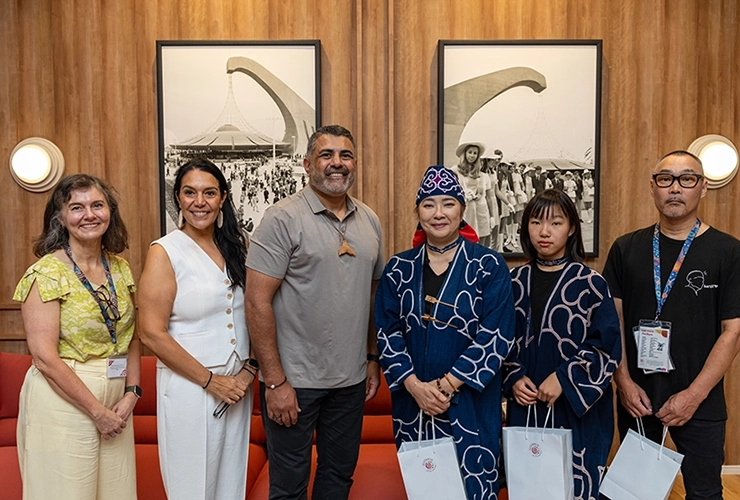
Sharing knowledge and embracing innovation
Australia is home to a remarkable diversity of Aboriginal and Torres Strait Islander peoples, each with their own distinct cultures, languages, beliefs, and practices. These traditions represent the world’s oldest continuous cultures, sustained and passed down over more than 65,000 years.
In recent decades, Australian First Nations peoples have increasingly engaged with international audiences, sharing cultural knowledge, creativity, and innovation with communities around the world—including both First Nations groups and broader audiences in Japan. The first Aboriginal art exhibition in Japan took place in 1965, and performers from the Aboriginal Theatre Foundation, including David Gulpilil—who would later become an internationally celebrated actor and artist—appeared at Expo ’70 in Osaka. Since then, Japanese audiences have continued to embrace the work of First Nations artists, most notably through Utopia: The Genius of Emily Kame Kngwarreye, which toured Osaka and Tokyo in 2008.
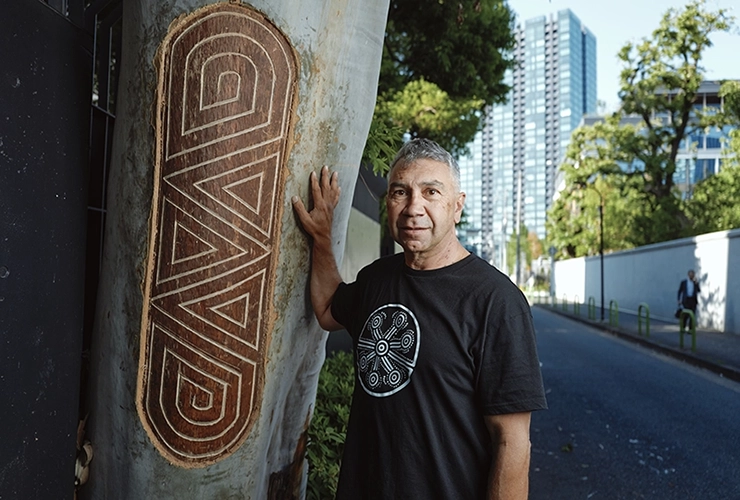
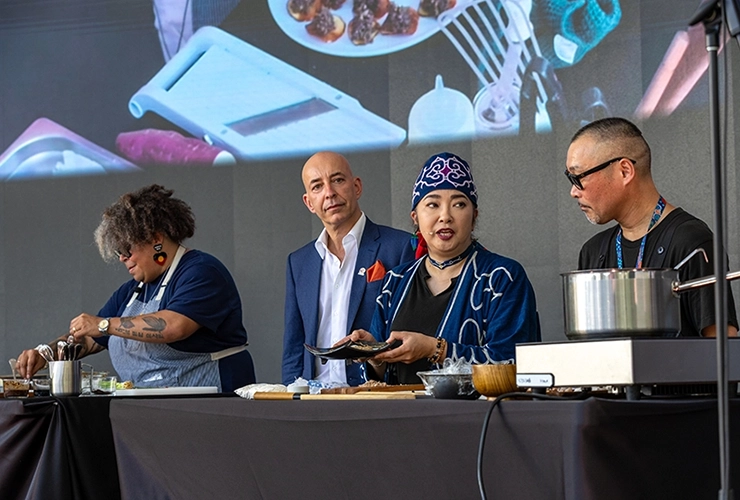
More recently, academic exchanges have strengthened ties between institutions such as the University of Melbourne and the Australian National University and their counterparts at Hokkaido University. Australia’s Ambassador for First Nations People, Justin Mohamed, also visited Expo 2025 Osaka during Te Aratini Indigenous Peoples Week, a powerful showcase of Indigenous culture, economy and collaboration. First Nations chefs from both countries delivered a joint presentation—highlighting shared heritage, contemporary creativity, and the growing depth of First Nations friendship and cooperation between Australia and Japan.
Mr Justin Mohamed, Ambassador for First Nations People
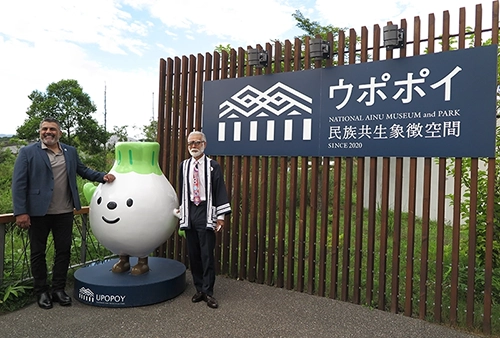
My visit to Japan highlighted strong opportunities for deeper exchange between our nations. In Tokyo and at the Expo, I met with industry leaders to explore new trade and investment pathways for First Nations businesses. I also met with the Ainu people in Hokkaido, where we shared First Nations culture and tradition, and affirmed the importance of strengthening these relationships into the future.”
From Beaches to Bonds
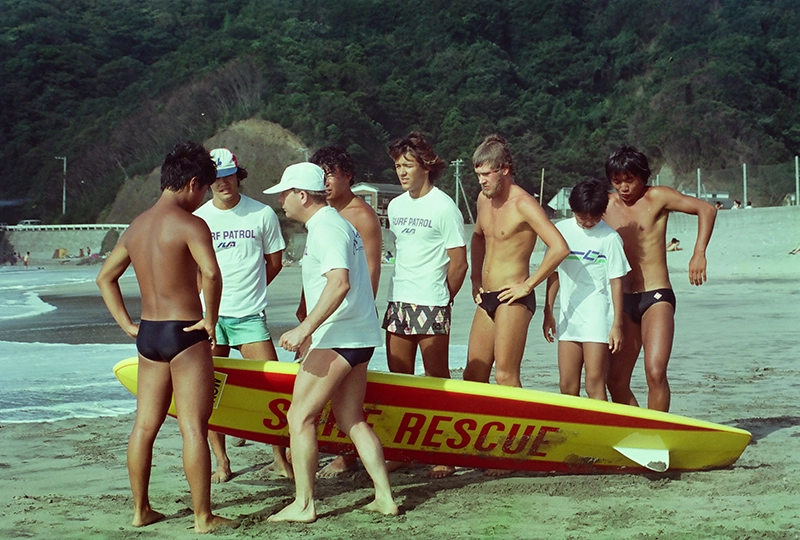
Image courtesy of Mr Ron Rankin

Image courtesy of Japan Lifesaving Association
The Australia-Japan Surf Lifesaving Story
The Australia-Japan Foundation (AJF) played a pivotal role in introducing Australian surf lifesaving to Japan in the early 1980s. While Japan had its own beach safety systems, the concept of a community-based volunteer lifesaving movement—supported by both government and local communities—was new. Over three years, reciprocal visits were organized: Australian surf lifesavers travelled to Japan, bringing equipment and demonstrating beach patrol techniques, while Japanese officials visited Australia to learn about its lifesaving infrastructure and culture.
These early exchanges laid the foundation for the Japan Lifesaving Association (JLA) and helped establish surf lifesaving as a recognized and respected activity in Japan. More than just a safety initiative, the program became a cultural bridge, connecting young lifesavers from both countries through shared values of service, teamwork, and ocean awareness.
Today, the exchange continues to thrive. A Memorandum of Understanding (MOU) between Surf Life Saving Australia (SLSA) and the JLA formalises ongoing collaboration in training, competition, and education. Long-standing sister club relationships—such as between Shimoda LSC and Maroochydore SLSC, established in 1999—remain active, with annual reciprocal visits and joint patrols fostering deep friendships and mutual learning.
In 2026, a new lifesaving exchange project funded by the AJF will support further collaboration between JLA and SLSA. This initiative will strengthen the next generation, enhance lifesaving capabilities, and continue the legacy of cross-cultural exchange that began over four decades ago.
Mr Takuya Iritani, President, Japan Lifesaving Association
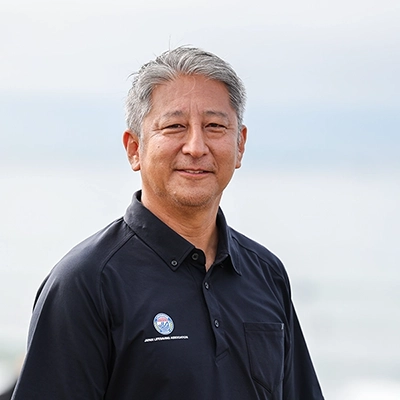
Through the generous support of the Australia-Japan Foundation, the Japan Lifesaving Association was firmly established, enabling its continued development to this day. We would like to express our deepest and most sincere gratitude for your invaluable support which has driven our initiatives over the years. We remain committed to contributing to enhancing water safety.
Ceramics and Cultural Exchange
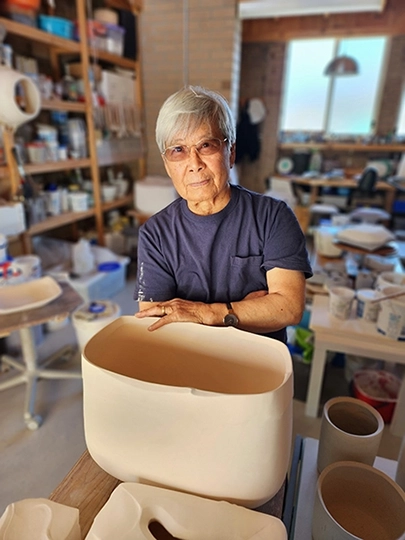
Photographer: Keiko Matsui
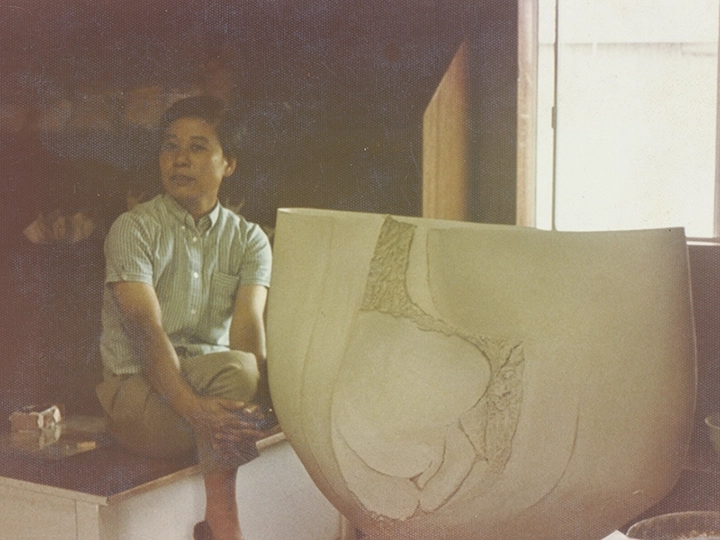
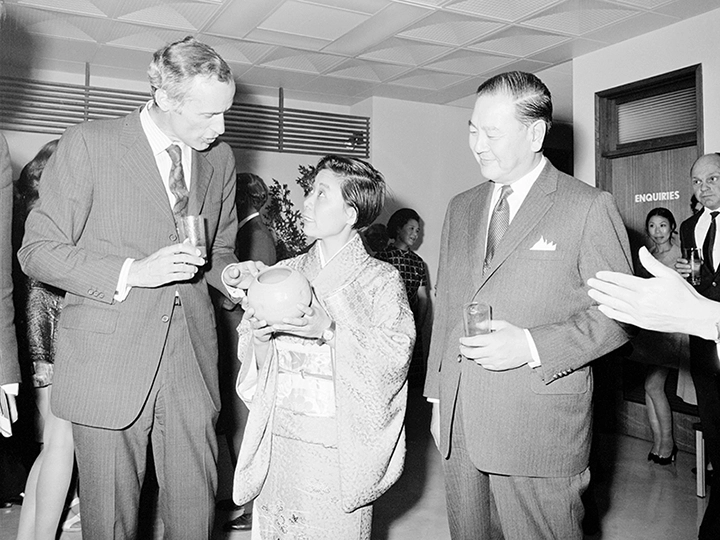
Image courtesy of National Archives of Australia, NAA: A1501、A14110
The Work of Hiroe Swen
Craft is a powerful vehicle for cultural exchange, carrying with it the stories, traditions, and techniques that shape national identities. Through ceramics, textiles, woodwork, and other handmade practices, artists from Australia and Japan have forged meaningful connections and enriched each other’s creative landscapes.
Australia and Japan share a vibrant and evolving cultural and artistic partnership. Craft—particularly ceramics—has played a central role in this exchange. After the Second World War, Japanese potters began travelling to Australia to teach, profoundly influencing local studio pottery and helping to establish the foundations of Australia’s contemporary ceramics movement.
Among the most influential figures in this shared history is Hiroe Swen AM, a pioneering artist whose life and work continue to embody the spirit of cross cultural dialogue. Born in 1934, Swen was one of the few professional female ceramists in Japan at that time. While Australian audiences were already familiar with Mingei folk craft traditions, it was Swen who introduced Japanese modernist ceramic aesthetics following her move to Australia in 1968.
Over the next five decades, Swen became a transformative presence in Australia’s ceramics community. Her distinct artistic vision—blending Japanese sensibilities with Australian influences—offered a fresh and compelling perspective that shaped generations of ceramic artists. She taught at the Australian National University School of Art for nearly 25 years, mentoring countless students and contributing to the growth of Australia’s contemporary craft landscape.
Swen’s achievements have been recognised at the highest levels, with honours from both the Australian and Japanese governments. Her work—held in public and private collections across Australia, Japan, and internationally—demonstrates the power of craft to bridge cultures and inspire creative exchange. The Australian Embassy in Tokyo proudly displays a number of her pieces, a testament to her significance in bilateral cultural relations.
Since returning to Japan in 2025, Swen has continued to promote Australia-Japan exchange through craft, further enriching the long-standing dialogue between the two countries. Her life’s work stands as a powerful reminder that handmade objects are not just artistic creations—they are carriers of culture, connection, and shared heritage. Having recently marked her 92nd birthday in Kyoto, Hiroe has begun work to restore batik paintings on washi paper left by her late husband, Cornel, and remains active as a lifelong practicing artist.
Ms Hiroe Swen
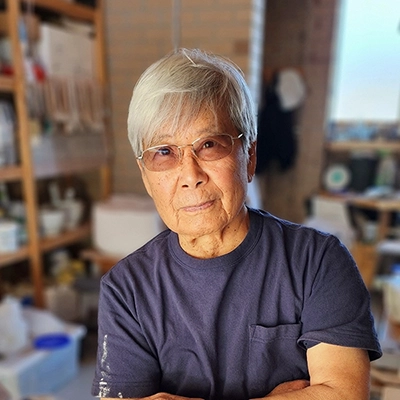
‘My 57 years working on ceramics in Australia was fulfilling and wonderful. It played a central role in my life. I look forward to my life as an artist in Japan.’
Supporting Social Welfare Through Assistance Dogs

Image Courtesy of the NAA: B941, AIRCRAFT/CARGO/LIVESTOCK/1.
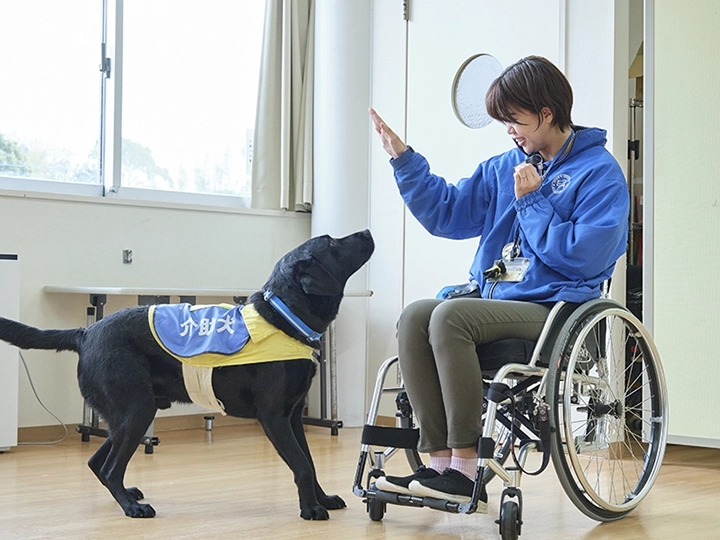
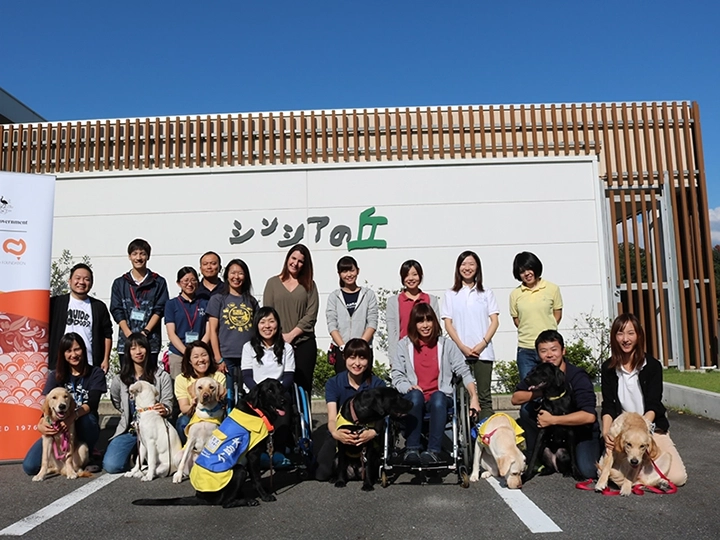
Australia and Japan share a longstanding partnership built around some of the most dedicated workers in our communities—assistance dogs. From guide dogs to service dogs, these four-legged partners have helped strengthen social welfare systems in both countries, while bringing a bit of joy and connection along the way.
The history of this exchange stretches back to the 1980s, when the Australia-Japan Foundation supported instructor exchanges for guide dogs through its Common Interest Program. This early collaboration helped introduce new training practices to Japan and sparked long-term relationships between Guide Dog associations in both countries. Over the decades, these organisations have continued to support each other’s work—locally and internationally—building a community centred on shared expertise, trust, and an enduring love of dogs.
More recently, cooperation has expanded through the Japan Service Dog Association, which has actively partnered with Australian organisations to learn advanced methods in service dog breeding and training. These exchanges have helped Japan strengthen its capacity to support individuals with physical disabilities, with Australian best practice playing a significant role in shaping modern service dog education and advocacy in Japan. The result has been a more inclusive environment for people who rely on mobility assistance—and better trained dogs whose skills change lives every day.
But this partnership goes beyond technical knowhow. At its heart is a shared commitment to accessibility, dignity, and independence. Australia and Japan continue to exchange knowledge on certification processes, welfare standards, and community awareness initiatives, ensuring that assistance dogs—and those who depend on them—receive the highest level of support.
Ms Koto Mizukami, General Manager, Japan Service Dog Association

“The support of the AJF has empowered a new step forward in assistance dog development.”
Kicking Goals Together


© AFL JAPAN

© AFL JAPAN
The Australia-Japan AFL Connection
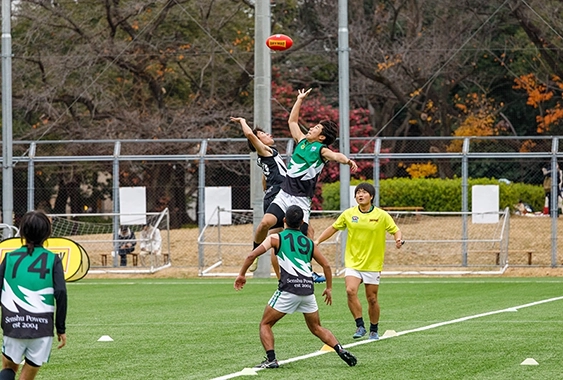
Australia and Japan share a strong and enduring connection through sport. This friendly rivalry plays out on sporting fields across Japan in a game called Australian Rules Football (AFL), commonly known as “footy” or “Aussie rules.” AFL is one of Australia’s most popular sports and represents a unique aspect of Australian culture.
Played with an oval ball on an oval-shaped field, each AFL team consists of 18 players, making for a dynamic contest with 36 players on the field. AFL enjoys a balanced fan base, with men and women equally passionate about the game. The annual Grand Final is one of the most-watched events in Australia, and local footy clubs thrive thanks to the dedication of countless volunteers.
AFL first made its way to Japan in 1986, when two prominent Australian teams played an exhibition match in front of 25,000 spectators. This sparked interest in the sport, eventually leading to the formation of a national league which currently boasts six teams, together with a national women’s team known as the Mirais.
AFL JAPAN is an organisation that plays a key role in promoting AFL in Japan. Its activities include running a domestic league, fostering grassroots participation, and sending the national team to international competitions. AFL was also prominently featured at the Australia Pavilion during Expo 2025 Osaka, Kansai, through engaging demonstrations and workshops.
Currently, two AFL players with Japanese connections are active at the top level of the AFL. Alex Davies of the Gold Coast Suns led his club to its first finals appearance in the 2025 season. Mitch Owens of the St Kilda Saints is scoring many goals and serving as a key player for his team.
Mr Yosuke Kuno, Chief Director, AFL JAPAN

“AFL JAPAN recognises AFL not merely as a competitive sport, but as a platform that fosters human connection, cultural exchange, and industrial development. We are committed to strategically promoting its value and appeal within Japan. Believing in a future where young Japanese athletes take on the challenge of AFL and thrive, we will continue to promote its unique value.”
Australia House at Echigo-Tsumari
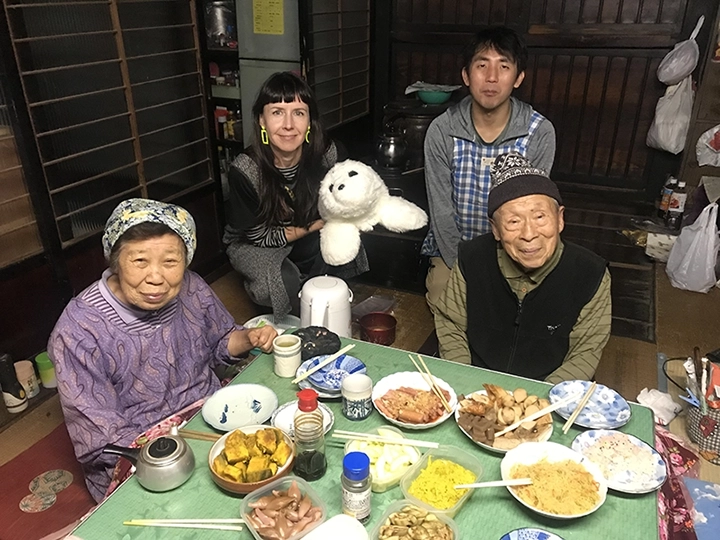
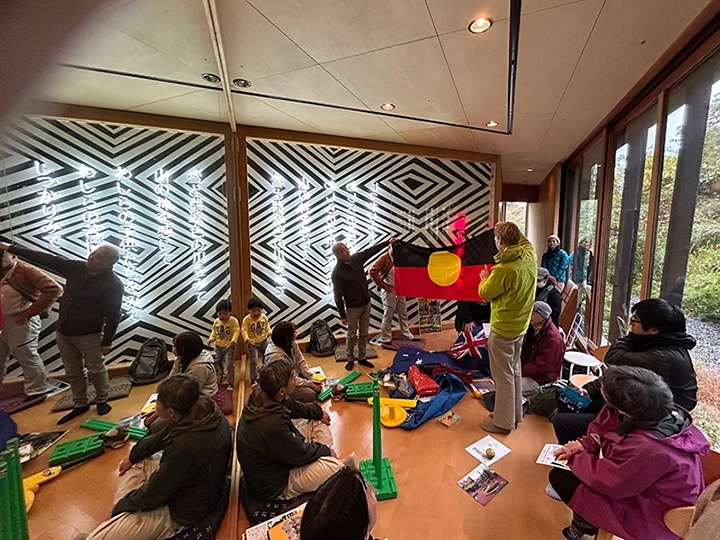
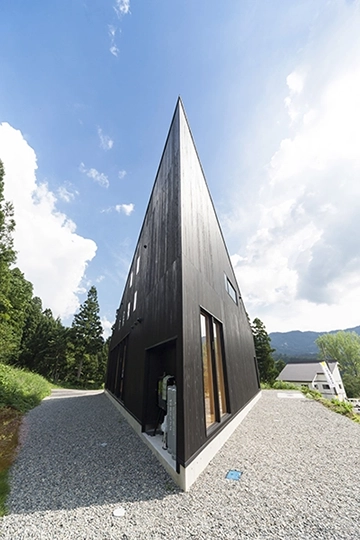
Image courtesy of National Archives of Australia, NAA: A1501、A14110
A Symbol of Cultural Exchange and Resilience
The concept for Australia House was born in 2009 as part of the fourth Echigo-Tsumari Art Triennale. Located in the mountainous Echigo-Tsumari region, it has served as a base for cultural exchange between Australia and Japan ever since.
The original Australia House collapsed during the Northern Nagano Prefecture Earthquake in March 2011. In response, the Australia House Reconstruction Project was launched, driven by the determination of many to preserve the close relationship between Australia and the Echigo-Tsumari region.
A scenic site in Urada, Tokamachi City, Niigata Prefecture, was selected for the new Australia House. Based on the concept of “reasonable, robust, and small” hazard-resistant construction, an international design competition chaired by internationally renowned Japanese architect Tadao Ando was held. The winning design by Sydney architect Andrew Burns emphasised environmental sustainability and disaster resilience, while reflecting a fusion of Japanese and Australian cultural elements.
The current Australia House was rebuilt with support from many entities including the Tokamachi City Government, the Australia-Japan Foundation and local residents and reopened in July 2012.
In 2013, it received the Jørn Utzon Award for International Architecture. It features permanent artworks, including dhirrayn ngurang – Mountain Home by Wiradjuri and Ngunnawal artist, writer, and curator Brook Andrew.
Australia House continues to serve as a hub for cultural exchange between Australia and Japan. It functions as a centre for artistic and cultural residencies, as well as a venue for production and exhibitions by Australian artists and students. Its activities are supported by local residents and volunteers, and regularly showcased at the Echigo-Tsumari Art Triennale.
Mr Mitsuhiro Takeuchi, Urada communty
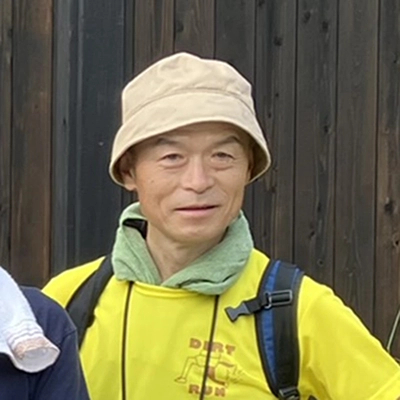
Local residents who welcomed the artists-in-residence at Australia House said, ‘Our hearts were warmed when they enjoyed the meals we prepared. We hope to continue this kind of exchange in the future.’
Connecting Nations Through Learning
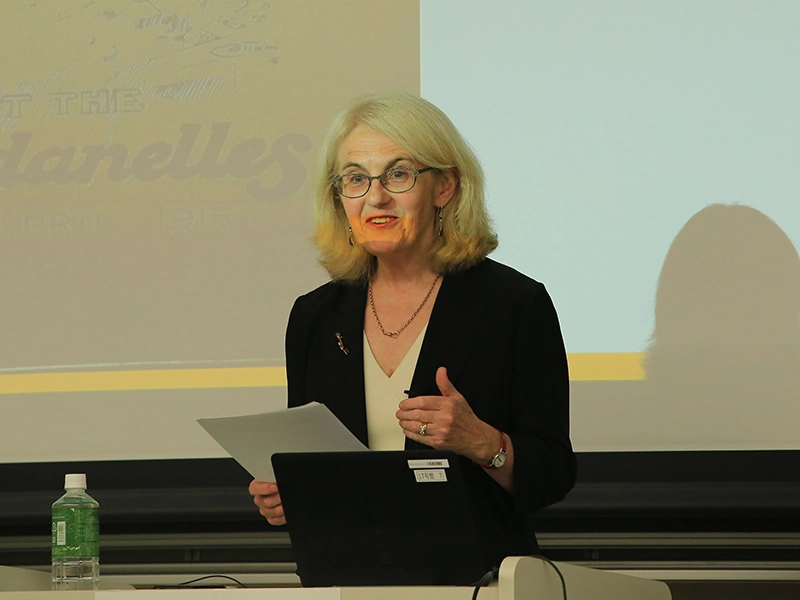
Australia-Japan Partnerships in Education
Education has long been one of the most dynamic and people centred pillars of the Australia-Japan relationship. From school exchanges to university level research collaboration, these partnerships deepen mutual understanding, foster global awareness, and create long lasting personal and academic connections.
Australia is the most popular destination for Japanese high school study tours, and remains Japan’s top sister school partner, with approximately 640 active school to school arrangements. At the tertiary level, collaboration is equally strong, with more than 700 research and development agreements between Australian and Japanese universities. Many of these include strategic partnerships that offer joint or double degree programs.
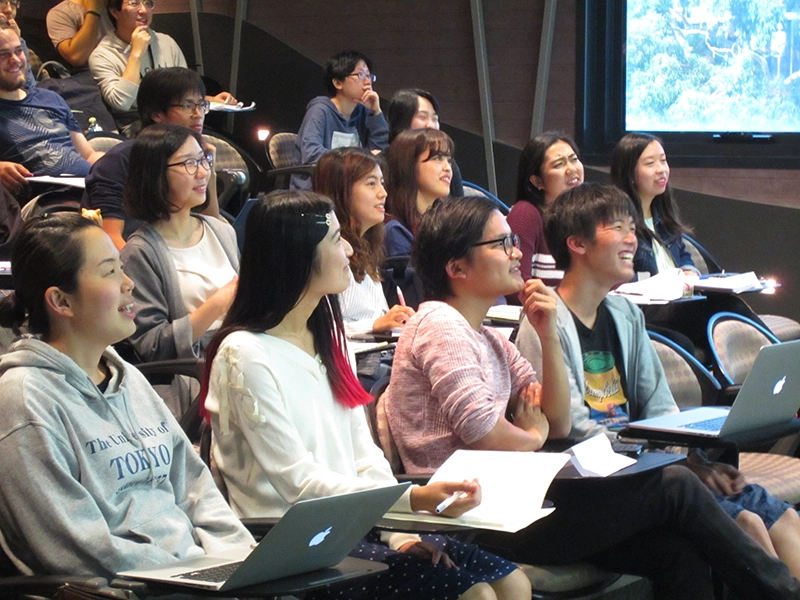
A significant example of this enduring engagement is found at the University of Tokyo, which has maintained a dedicated Australian Studies presence since 1978. The university has consistently welcomed Australian scholars for nearly half a century.
Today, the Visiting Professor in Australian Studies is based at the Center for Pacific and American Studies on the University of Tokyo’s Komaba campus. Each year, one Australian academic is invited to teach students, offering courses grounded in the scholar’s area of expertise. While subjects vary, undergraduate courses typically introduce students to Australia’s culture, history, and society, supporting a broader understanding of Australia’s place in the region and the world.
Supported in part by the Australia-Japan Foundation, the Visiting Professor plays a role that extends well beyond the classroom. The position serves as an academic bridge between the two countries, promoting intellectual engagement, joint research, and scholarly exchange. Visiting Professors frequently collaborate with Japanese academics through organisations such as the Australian Studies Association of Japan, contributing to a vibrant network that supports the growth of Australian Studies across the country.
Over the years, these academic relationships have led to new research partnerships, staff exchanges, and long term institutional connections. Together, they illustrate how educational diplomacy enriches both countries—strengthening bilateral ties while shaping future generations of scholars and leaders.
Prof Catherine Bond, Visiting Professor for Australian Studies, University of Tokyo (2025-26)

‘The continued pursuit of excellence in education, and the benefits of this for society, unite Australian and Japan.’
From Shared Meals to Shared Futures
40 Years of Australia-Japan Cooperation
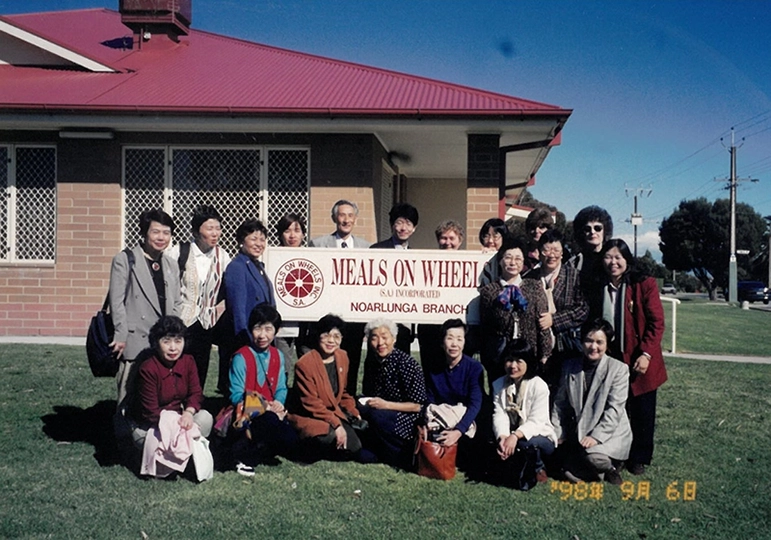
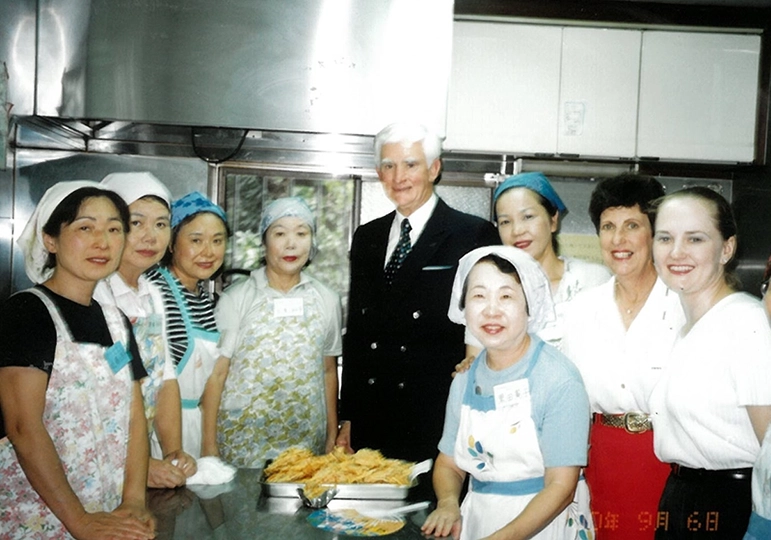
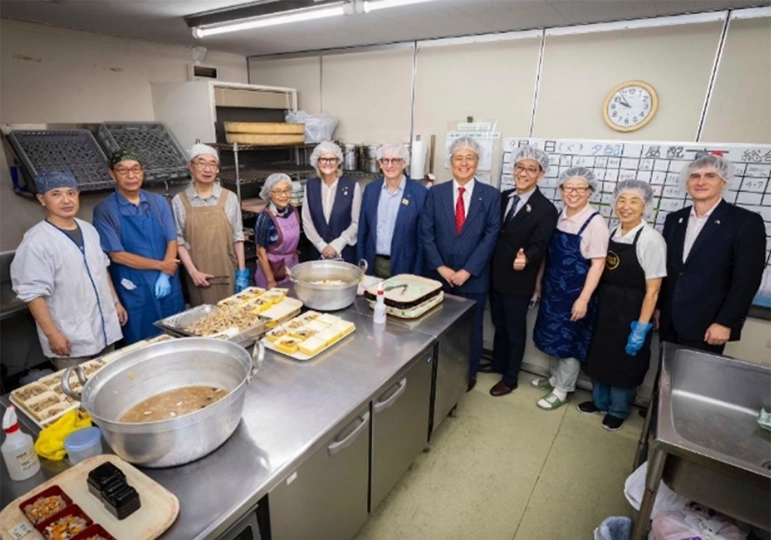
Meals on Wheels Japan (MOWJ) and Meals on Wheels South Australia (MOWSA) have maintained a close partnership since their initial exchange in the 1980s, sharing insights to support ageing populations in both countries.
In 1984, the family of an Australian Embassy staff member visited Japan and expressed interest in home meal services for the elderly, similar to those provided by MOWSA in Australia. Through an introduction, they visited a lunch club operated by the Association for Meals for the Aged Fukinotoh in Setagaya, Tokyo. Fukinotoh began in the 1970s as a volunteer group of mothers focused on playground safety and later evolved into a community initiative offering shared meals to help prevent social isolation among older adults.
This early exchange sparked the interest of Mrs. Masako Hirano, then representative of Fukinotoh. Her engagement led to support from the Australia-Japan Foundation for a bilateral symposium in 1985, where key members of MOWSA were invited. The discussions held during this symposium laid the groundwork for the eventual establishment of Meals on Wheels Japan (MOWJ).
In 2024, MOWSA and MOWJ celebrated 40 years of collaboration. With support from the Australia-Japan Foundation, a delegation from MOWSA visited Japan, met with government agencies, and participated in roundtables and public symposia, and were able to update their Memorandum of Understanding (MOU).
This long-standing exchange continues to offer mutual benefits. MOWJ is innovating to address food insecurity among vulnerable children and older adults, while MOWSA is focused on reducing loneliness and isolation among seniors within a changing aged care system.
The simple act of sharing food fosters profound people-to-people connections, and sustained collaborations such as that between MOWSA and MOWJ strengthens support for the most vulnerable members of our communities.
Mr Kakuji Hirano, Meals on Wheels Japan CEO
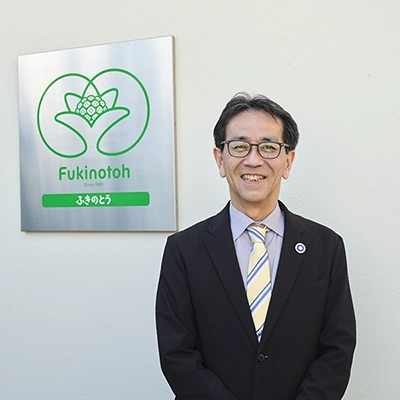
My hope is for MOW in Australia and Japan to continue to work together as we connect with shared meal services around the world (MOW and others) to address social challenges. I send my heartfelt congratulations on the 50th anniversary of the treaty between Australia and Japan.
From Koalas to Quokkas
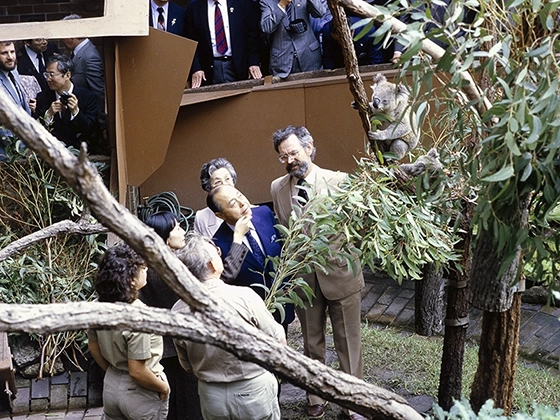
Photo Courtesy of the NAA: A6135, K15/5/84/1
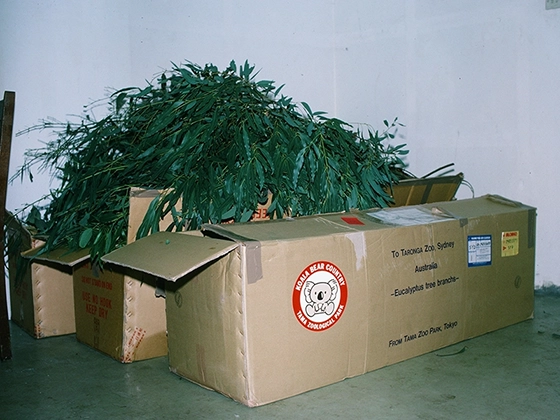
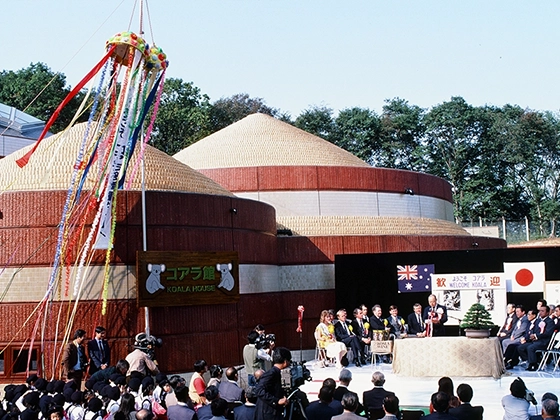
Photo Courtesy of the Tokyo Zoological Park Society
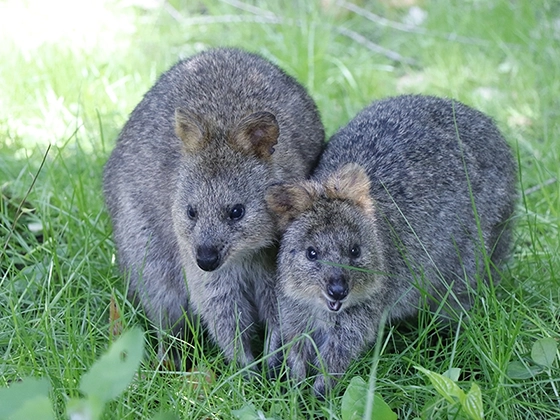
Photo Courtesy of the Saitama Children’s Zoo
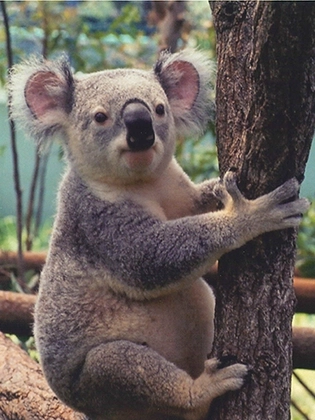
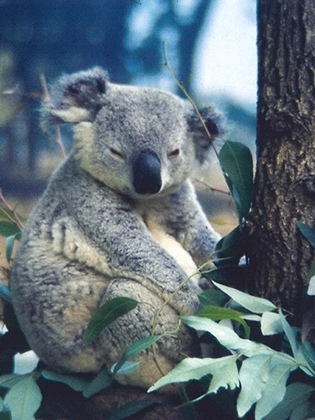
2 koalas sent from State of Queensland to the Hirakawa Zoological Park
Photo Courtesy of the Hirakawa Zoological Park, Kagoshima City
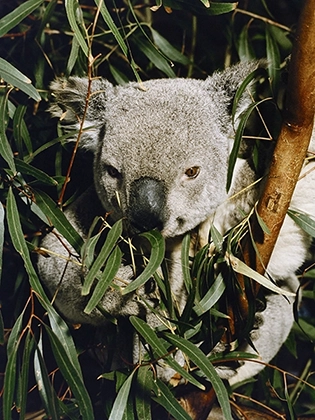
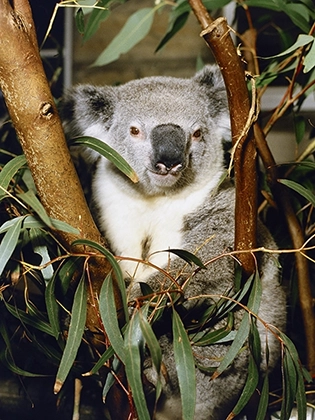
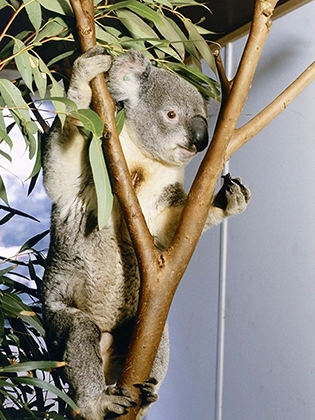
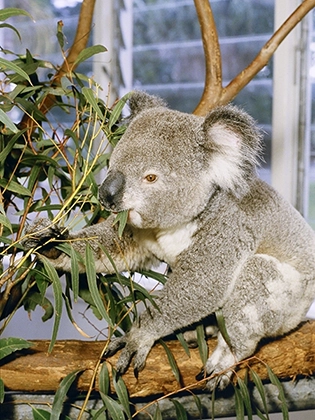
4 Koalas at Taronga Zoo in Sydney waiting to travel to Japan (two each for Tama Zoological Park and Higashiyama Zoological and Botanical Park)
Photo Courtesy of the NAA: A6135, K3/10/84/13, 14, 15, 16
Australia’s Most Adorable Ambassadors in Japan
Australia’s unique wildlife has long served as a bridge of friendship between Australia and Japan, with iconic animals like the koala and the quokka becoming beloved symbols of goodwill.
Koalas, native only to Australia, have captivated people across Japan for decades. Their official arrival in 1984 marked a significant moment in Australia–Japan relations. Under the leadership of Australia’s then Minister for Home Affairs and Environment, Barry Cohen, the first koalas were gifted to Japan as part of growing sister state and sister city partnerships aimed at strengthening bilateral ties.
That year, three Japanese zoos welcomed koalas: Nagoya Municipal Higashiyama Zoo and Botanical Gardens (from sister city Sydney), Tama Zoological Park in Tokyo (from New South Wales, its sister state) and Kagoshima City Hirakawa Zoological Park (from Queensland)
Each zoo spent years preparing for the koalas’ arrival—cultivating eucalyptus, upgrading facilities, and learning specialised animal care techniques. At Tama Zoo, keepers brought locally grown eucalyptus leaves to Australia to test whether koalas would accept them.
More recently, the quokka—often called “the world’s happiest animal”—has joined Japan’s wildlife family. In 2020, to celebrate the 40th anniversary of the Saitama Children’s Zoo, quokkas were transferred from Featherdale Wildlife Park in Australia to Saitama.
The zoo, already home to a wide range of Australian animals proudly added quokkas to its collection. Saitama is the only zoo in Japan to house these delightful creatures.
Mr Hirofumi Watabe, Director, Tama Zoological Park
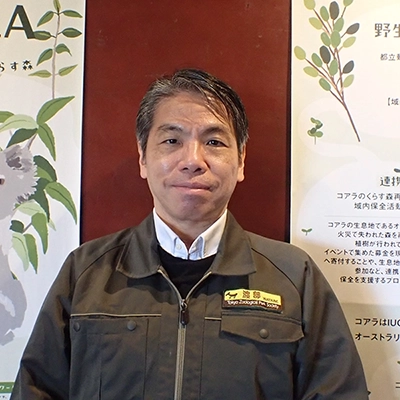
Tama Zoological Park faced many challenges before it began caring for koalas. Over the years, we have not only continued their daily care and management but also shared the importance of koalas in the wild. We will continue our efforts to protect the future of koalas.
Science Diplomacy
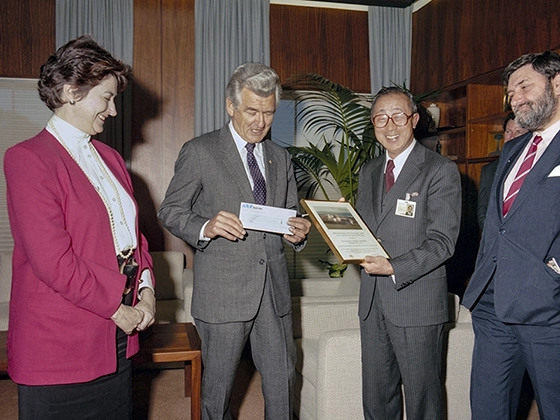
Image Courtesy of the NAA: A8746, KN21/8/87/7
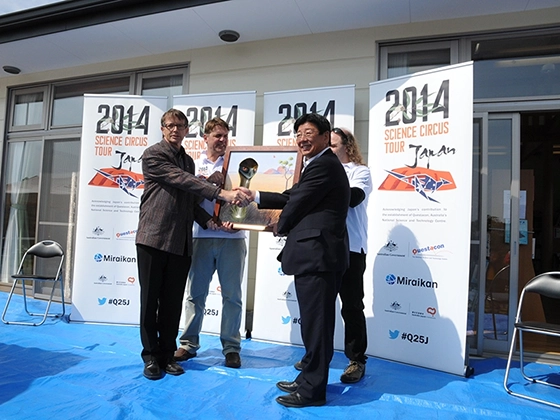
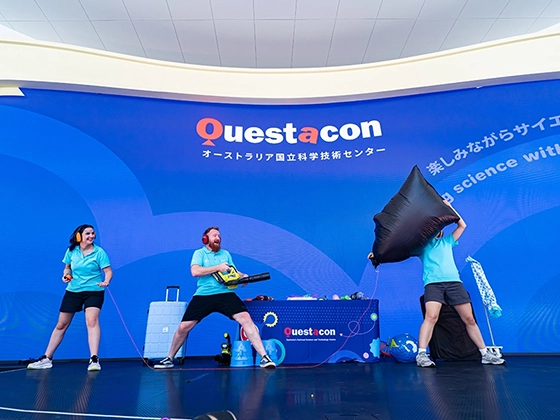
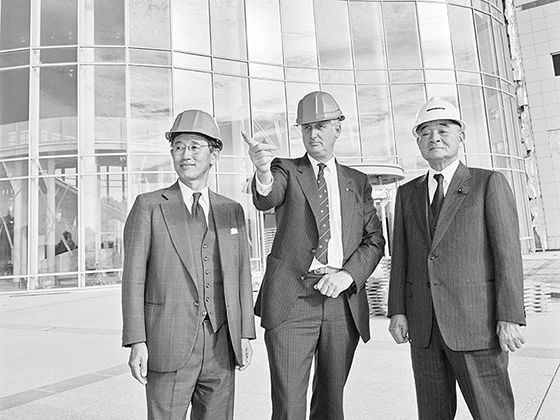
Image Courtesy of the NAA: A6180, 11/5/88/1.
Questacon and the Australia-Japan relationship
Questacon—Australia’s National Science and Technology Centre—opened in 1988 as part of the nation’s Bicentennial celebrations. Its establishment marked not only a major milestone for science education in Australia but also a significant moment of international cooperation with Japan. The Japanese government, together with Japanese corporations, contributed half the cost of the purpose built facility in Canberra (1 billion yen, equivalent to AUD 10 million). This generous contribution formed part of the Australia-Japan Bicentennial Project and reflected the strengthening ties between the two nations, grounded in the 1976 Basic Treaty of Friendship and Cooperation. Japan’s involvement also highlighted the countries shared commitment to education, innovation, and public engagement with science.
Questacon has since honoured this enduring partnership through multiple Science Circus tours to Japan. In 2014, as part of its 25th anniversary, Questacon visited four communities in the Tohoku region affected by the 2011 tsunami, sharing interactive science experiences and supporting local recovery through education. Further tours followed in 2018 and 2023, each one deepening collaborative relationships through science communication training, demonstrations, and knowledge exchange. Most recently, Questacon contributed to the Australia Pavilion at Expo 2025 Osaka, Kansai, continuing its long-standing program of international science centre cooperation.
The broader scientific partnership between Japan and Australia continues to flourish across numerous fields. Joint initiatives have included space exploration projects such as Hayabusa, marine research in the Pacific, robotics education programs, and much more. In 2025, the two countries celebrated the 45th anniversary of the Australia-Japan Agreement on Cooperation in Science and Technology, first signed in 1980. Many Australian researchers have undertaken work in Japan through the Japan Society for the Promotion of Science, including Nobel Laureate Brian Schmidt. These collaborations not only advance scientific discovery but also strengthen the strategic partnership between the two nations—ensuring that science remains a powerful bridge for diplomacy, innovation, and shared progress.
Ms Jo White, Executive Director, Questacon

“Questacon stands as a lasting symbol of the mutual friendship between Australia and Japan – a partnership that has played a key role in Questacon’s growth as a national and international hub for science communication and engagement.”
Sister Cities
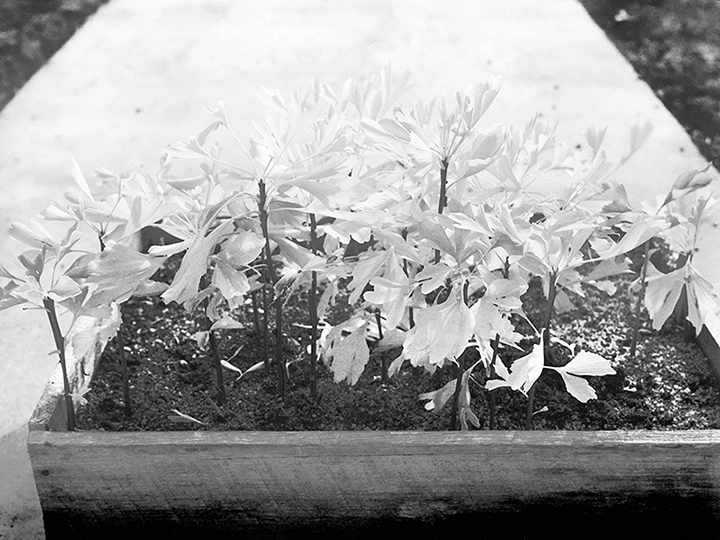
Photo Courtesy of the NAA: A1501, A2251/1
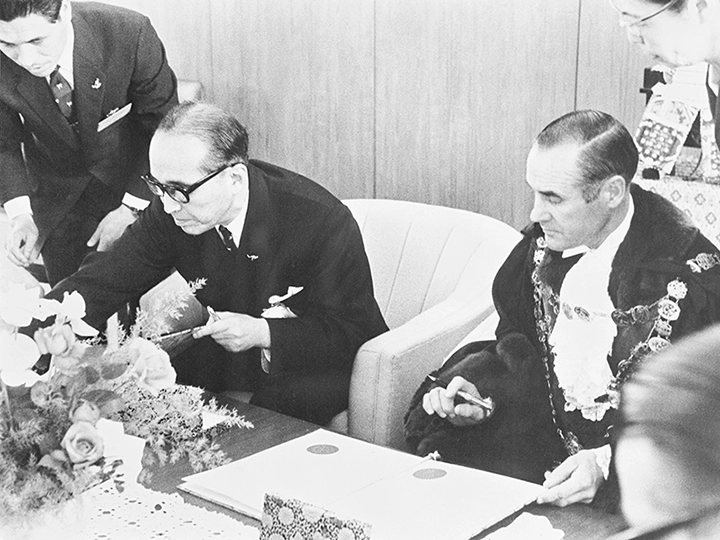
Photo Courtesy of the NAA: A6180, 25/6/74/6
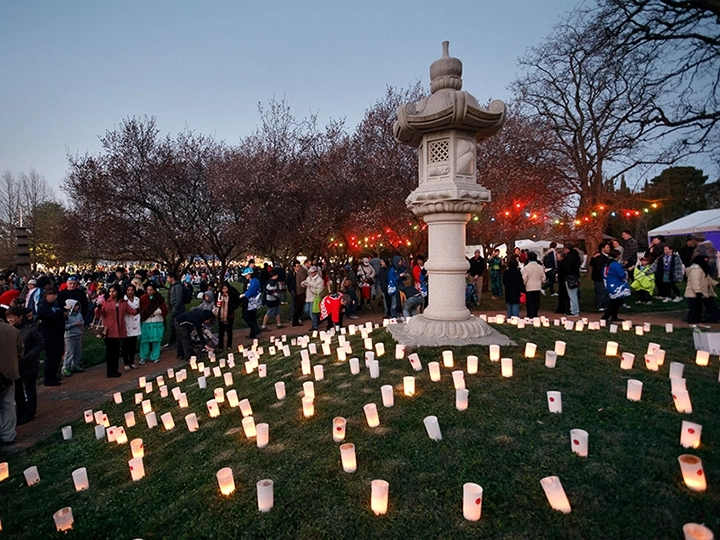
Photo Courtesy of Nara City
People to people links between Australia and Japan
Sub national diplomacy such as sister city partnerships, strengthens the Australia-Japan relationship through long term community engagement, cultural exchange, and grassroots collaboration. These local level connections compliment national diplomacy by fostering enduring friendships between citizens, schools, cultural institutions, and local governments.
Today, Australia and Japan share 107 officially recognised sister city relationships, one of the largest networks in either country. These ties—built through exchanges in education, sport, arts, environment, and youth programs—play a vital role in deepening mutual understanding and creating opportunities for future generations.
One of the earliest and most symbolic examples is the relationship between Matsudo City (Chiba Prefecture) and Box Hill, Victoria (now part of the City of Whitehorse). Their partnership began in 1958 with a simple yet meaningful gesture: a Matsudo junior high school student wrote to the Australian Embassy in Tokyo requesting eucalyptus seeds and offering ginkgo seeds in return. This exchange led to the planting of eucalyptus in Matsudo and ginkgo trees thriving in Canberra’s botanical garden. The goodwill generated by this exchange helped lay the foundation for the formal sister city agreement signed in 1971.
A more recent example is the sister city relationship between Canberra and Nara, established in 1993. This partnership has flourished over three decades through annual festivals, cultural delegations, educational exchanges, and public art collaborations—including the iconic Nara Peace Park and the Canberra-Nara Candle Festival, which draws thousands of visitors each year. The relationship has become a model for how local governments can build deep and lasting international connections that resonate widely within their communities.
Together, these partnerships demonstrate the value of sub national diplomacy in the Australia-Japan relationship. By connecting citizens directly, sister city programs cultivate mutual trust, shared learning, and long term cooperation—ensuring that the friendship between Australia and Japan continues to grow at every level of society.
Mr Takamasa Matsudo, Mayor of Matsudo City
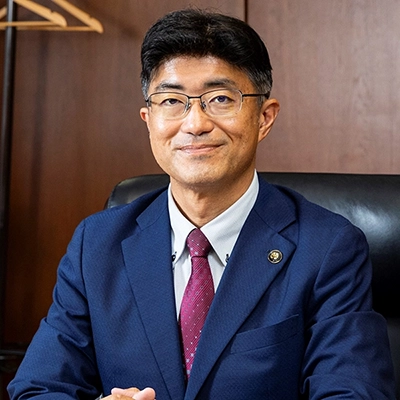
This year marks the 55th anniversary of the sister-city relationship between our two cities. I hope that, through continued exchanges at the citizen level and as friends, our ties will lead to lasting development for both cities and be passed on to the next generation.